|
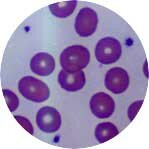
Platelets are the small cellular fragments in blood that control bleeding. When there is damage in the vessel wall, these platelets adhere to form a primary platelet plug. This further encourages more platelets to congregate to this site to form a secondary platelet plug. This enhances and activates the coagulation process. As a result, a firm blood clot forms over the damaged area preventing further blood loss. Platelets have a lifespan of 7-10 days in the circulatory system. They are removed from the body by scavenger cells within the spleen.
Under stress, these platelets have a shorter lifespan. They are destroyed, consumed and removed much earlier from the circulatory system. Normally, the bone marrow responds by producing more platelets but under certain circumstances, this compensatory mechanism may not meet the demands of the body. Subsequently, the patient suffers from thrombocytopenia.
Platelet transfusions are necessary during massive blood losses as a result of trauma or surgery. They are also necessary when the patients have thrombocytopenia due to the effects of chemotherapy or their disease process such as leukaemias, cancers or bone marrow failure. Platelet transfusions are also needed in patients who have dysfunctional platelets associated with bleeding or when they require surgical or invasive procedures.
|