|
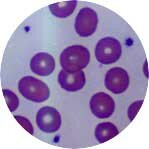
Red blood cells have a disc-shaped appearance. It contains haemoglobin which is an oxygen-carrying molecule. It transports oxygen from the lungs to the tissues and carries carbon dioxide away from the tissues to the lungs for excretion. Red cells are produced in the bone marrow at a rate of about 17 million cells per second. Red cells have a lifespan of approximately 120 days in the circulatory system. They are eventually removed by scavenger cells within the spleen.
Under stress, these red cells have a shorter lifespan. They are destroyed and removed much earlier from the circulatory system. Normally, the bone marrow responds by producing more red cells but under certain circumstances, this compensatory mechanism may not meet the demands of the body. Subsequently, the patient suffers from anaemia.
Red cell transfusions are needed during acute blood losses from surgery, road traffic accidents or severe gastrointestinal bleeding. Patients with chronic anaemia resulting from kidney failure, malignancies or blood disorders such as thalassaemia also benefit from red cell transfusions.
|